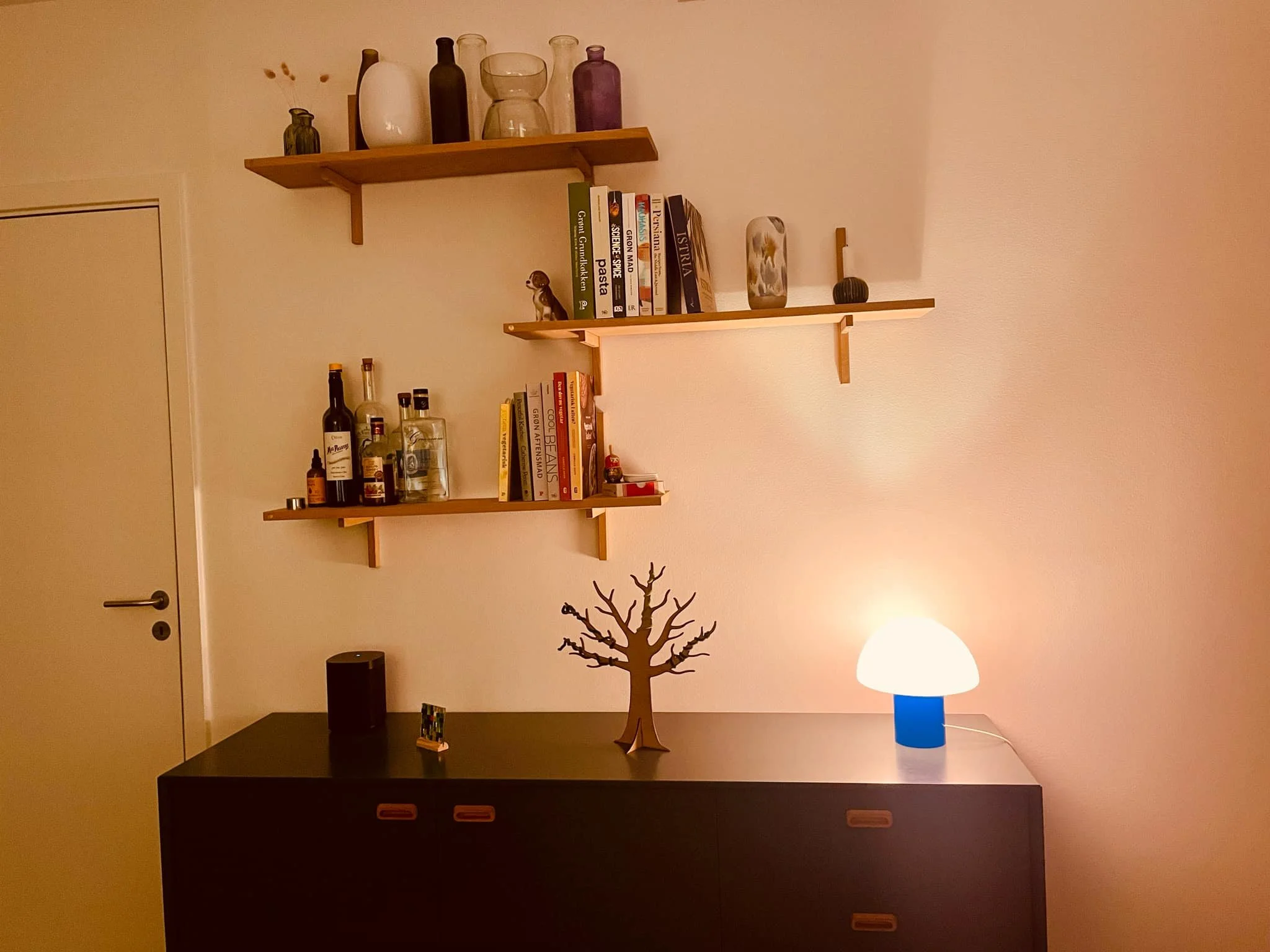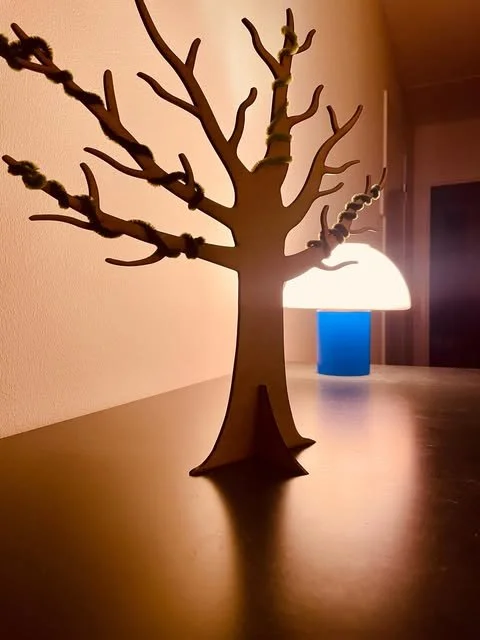
The Life Tree:
A Redefinition of How You Connect with Loved Ones
Overall Skills
Sketching
Add your pricing strategy. Be sure to include important details like value, length of service, and why it’s unique.
Cultural Probing
Add your pricing strategy. Be sure to include important details like value, length of service, and why it’s unique.
Prototyping
Add your pricing strategy. Be sure to include important details like value, length of service, and why it’s unique.
Finding a New Way
The Life Tree was a school project done during my time at the IT University of Copenhagen. We noticed that the way we communicate nowadays has become individualized and segmented from the rest of the family. This made us question whether certain practice from the landline phone would be worth reintroducing - such as being able to listen in on others conversation, picking up the phone for other family member and in general serendipitous conversation that made you know more of the people your family interacted with.
We started out by sketching a bunch of ideas that could situate the practices of a landline within our modern day world. Ultimately, we decided to go with the tree analogy due to its cultural meaning in the western world - as being an analogy for family branches.
Cultural Probing
The Final Design
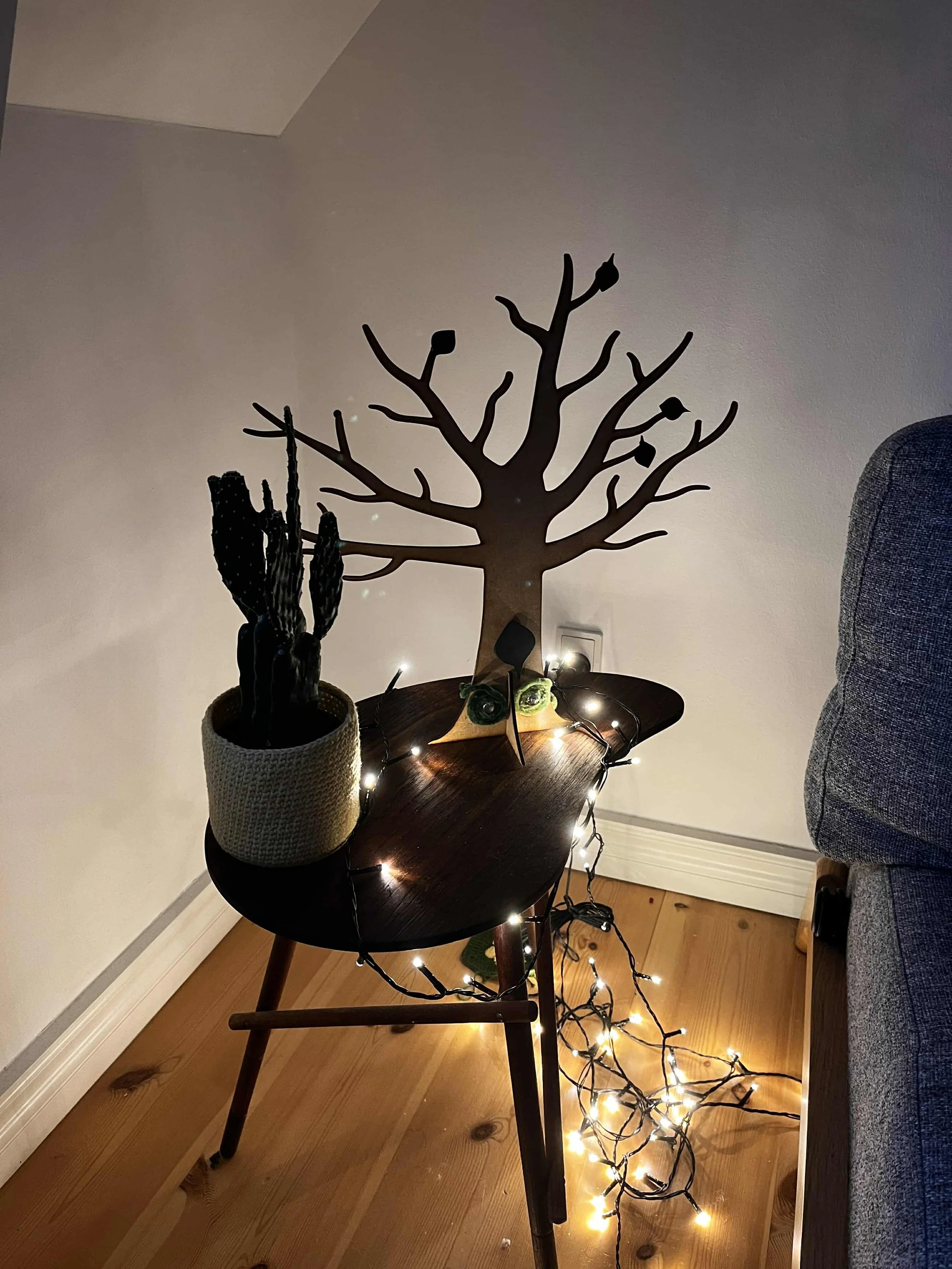
The final design of “The Life Tree” is a modular telephone, allowing the user to expand upon their network by adding more branches. Calls are made by touching the branch of the household they want to call - and calls are played through a speaker.
Since privacy was still a concern, each household has a leaf, signalling by color and position whether or not a household is available to call.
It was designed to fit into most households in an aesthetic way, almost like a sculpture.
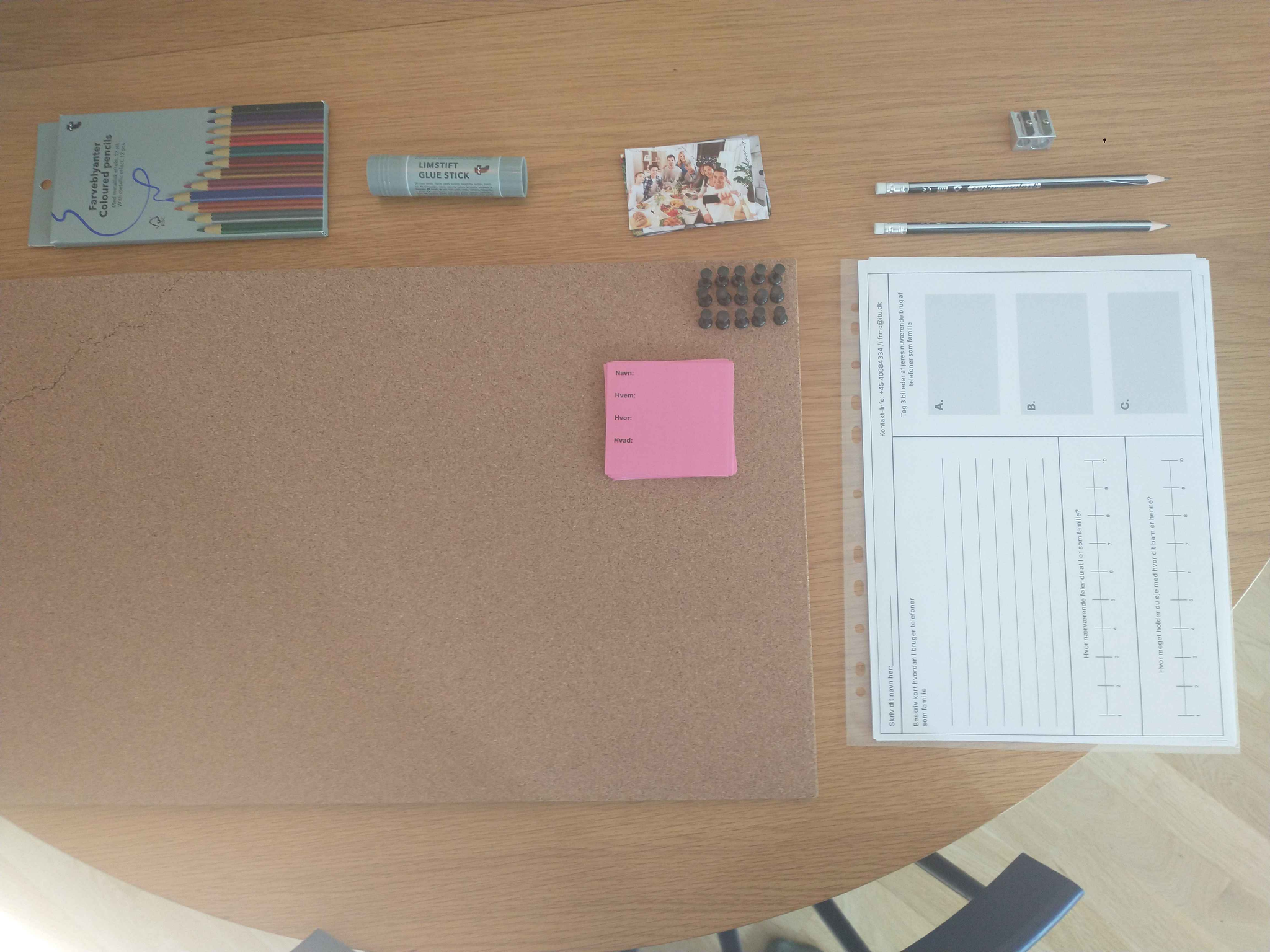
We also had to figure out what people actually thought of modern communication practices, and whether or not landline practices were even sought after. To investigate this we employed a cultural probe.
The cultural probe consisted of two parts - a notice board and some written questionaries/assignments.
The notice board was designed to be placed in a central hub within a household, where participants needed to record the subject of each conversation, letting other in the household gain insights into each others conversation habits and topics.
The assignments were meant to explore how people felt about the closeness of their family, where they would want a central communication hub to be placed and more.